For years, we’ve tried to improve work by adding more:
More platforms
More channels
More content
More data
And now — AI.
But if the underlying experience isn’t well designed,
more capability doesn’t solve it.
It just amplifies it.
What’s emerging — across both EX and IC —
is a move away from delivery, towards design.
From:
- producing outputs → shaping experiences
- sharing information → creating meaning
- managing channels → designing moments that matter
AI accelerates that shift.
Because it takes on the tasks that used to fill our time.
And creates space to focus on the work that actually makes the difference.
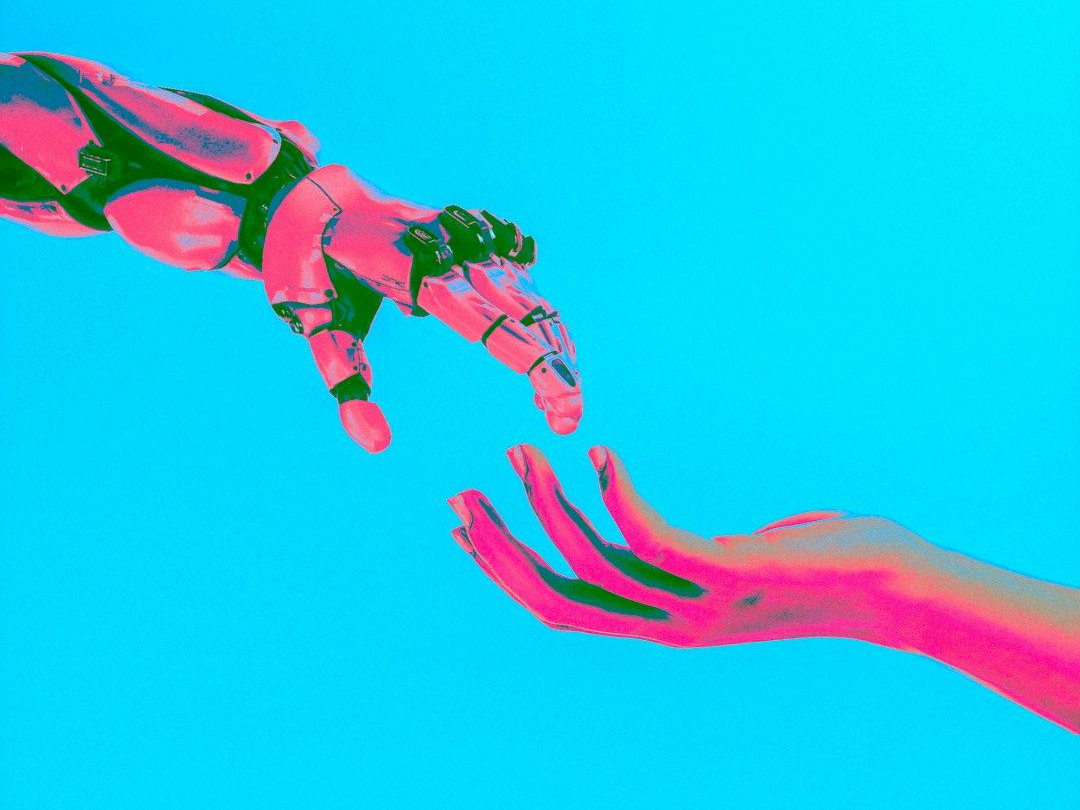
Let the machines make it faster.
Let the humans make it matter.
Across the employee lifecycle, AI can now support almost every moment.
It can:
- surface patterns in feedback
- personalise journeys
- streamline onboarding
- highlight risks early
But what it can’t do is just as important.
It can’t:
- create a sense of belonging
- understand nuance or context
- design experiences that truly land
That’s still human work.
And arguably, it’s becoming more important — not less.
We’re seeing a similar shift.
AI can now:
- draft content
- summarise updates
- personalise messages at scale
Which raises a bigger question:
If AI can do the writing… what is our role?
In many ways, it brings us back to the essence of the discipline:
- creating clarity
- supporting leaders
- designing communication as an experience, not just an output
- building trust and connection
Because while AI can generate content,
it can’t read a room, sense hesitation, or build belief.
One of the most helpful reframes we’ve heard in the community is this:
AI doesn’t improve the quality of the work.
It reveals it.
If something is unclear, fragmented, or surface-level —
AI will scale that.
But if the thinking is strong,
AI can accelerate it in powerful ways.
Because:
Great AI output begins with great human input.
There’s no single playbook for this yet - and that’s part of the opportunity.
But a simple starting point is:
- Where are you spending time producing rather than designing?
- What could AI take off your plate?
- What might that free you up to do instead?
Then try something small.
Test. Learn. Adjust.
That’s how most people in the space are figuring this out right now.